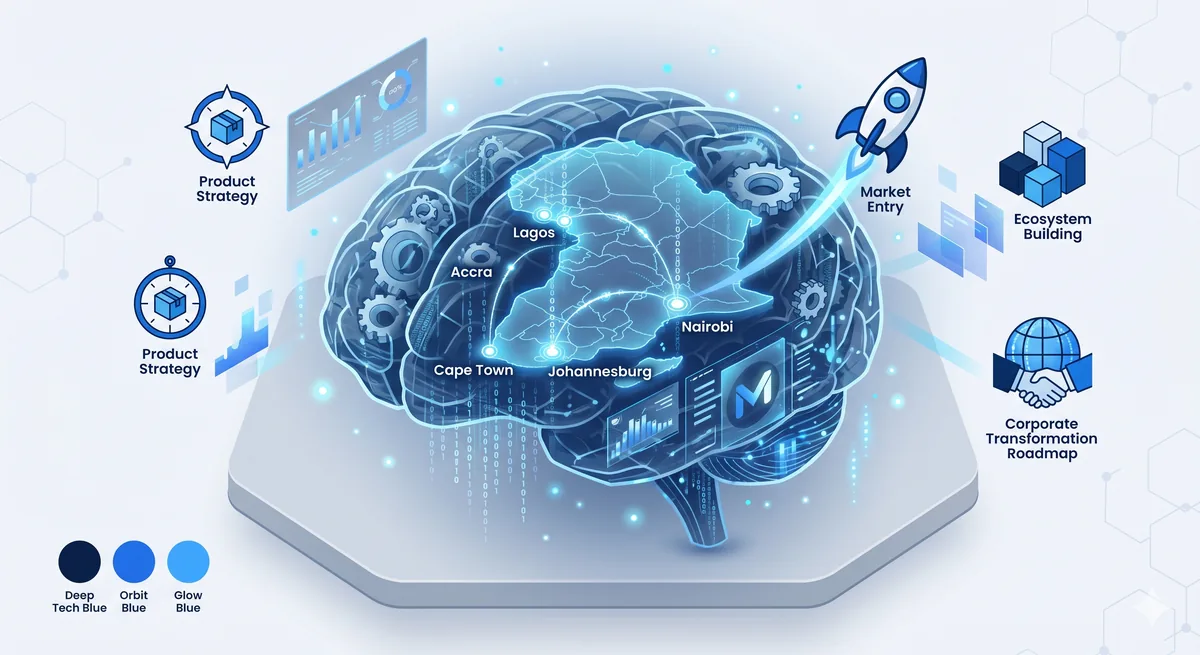
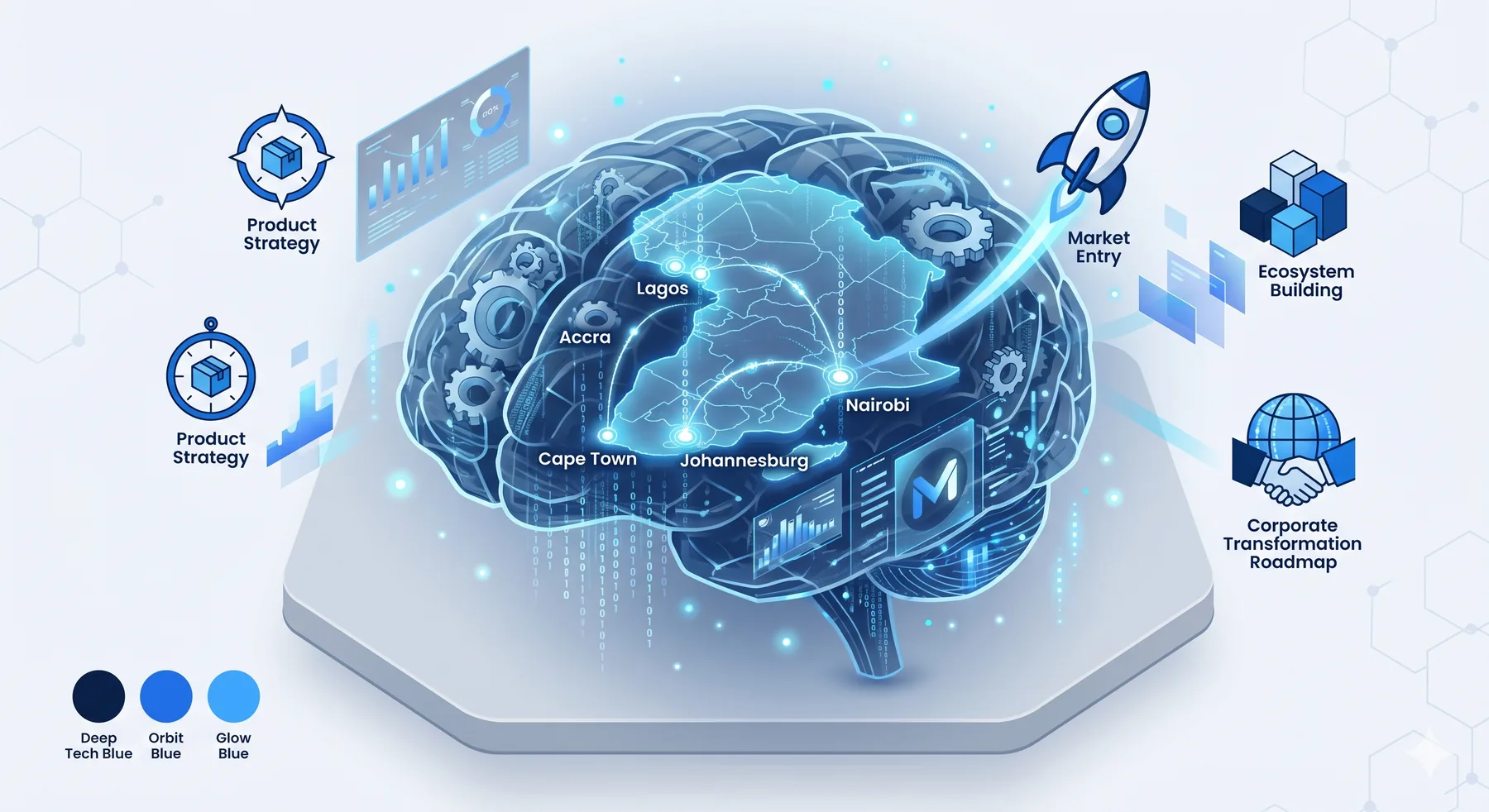
Digital transformation is not the installation of several new tools. It is the redesign of how an organization creates value, shares information, makes decisions and serves customers. A roadmap should therefore prioritize operating constraints before technology preferences.
Define the strategic outcomes
Choose a small number of outcomes such as reducing customer effort, improving branch consistency, shortening lead response, increasing data reliability or enabling regional expansion. Each initiative should show how it contributes to one of these outcomes.
Map the current journeys and workflows
Document what actually happens across customer, employee and partner interactions. Note handoffs, duplicate entry, waiting time, missing information, unofficial spreadsheets and decisions that depend on one person.
Identify foundational dependencies
- Reliable master data and naming standards.
- Clear system ownership and access control.
- Integration between critical platforms.
- Documented processes and escalation paths.
- Skills and capacity to operate the future state.
Visible front-end improvements may depend on these less visible foundations. Ignoring them creates attractive pilots that cannot scale.
Score initiatives consistently
Evaluate expected value, urgency, customer impact, risk reduction, implementation effort, dependency complexity and organizational readiness. A transparent scoring model helps leadership compare very different initiatives.
Sequence for learning and momentum
Combine a few fast, low-risk improvements with foundational work and carefully selected strategic bets. Early wins should test the future operating model, not create isolated exceptions that later require replacement.
Assign outcome owners
Every initiative needs a business owner, technical owner, adoption owner and agreed decision forum. Vendors can support delivery, but internal accountability cannot be outsourced.
Plan adoption as part of delivery
Include communication, training, updated procedures, manager reinforcement and support. A system is not implemented when it launches; it is implemented when the intended users consistently operate the new process.
Review the roadmap quarterly
Dependencies, costs and opportunities change. Reassess evidence and sequencing while protecting the strategic outcomes. Avoid changing direction simply because a new tool has become fashionable.
Orbit M’s Digital Transformation Consulting service turns fragmented priorities into a governed roadmap, architecture and multi-market operating model.